
Hanoi’s Train Street Scam Alert – How to Visit Safely and Avoid Being Ripped Off
You can enjoy a visit to Hanoi’s iconic Train Street while staying safe from common scams. Many locals may falsely claim that the area is closed or that you need to pay for entry. To ensure your visit is both free and enjoyable, it’s imperative to be aware of these tactics and follow specific tips to navigate the area safely. This guide will help you experience Train Street without falling victim to scams.
Understanding Train Street
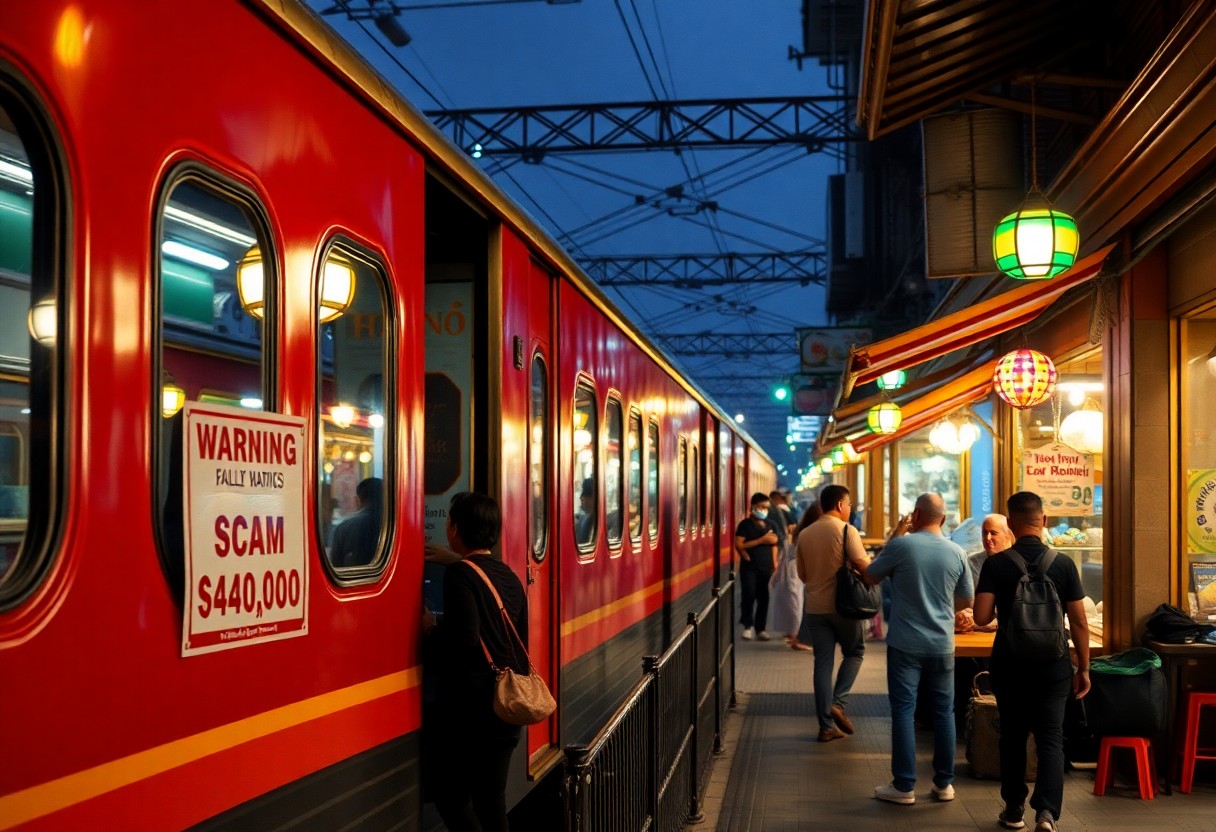
Vibrant and unique, Train Street is a narrow alley in Hanoi where trains pass just inches from residential homes. This extraordinary setting offers a rare glimpse into local life as residents carry on their daily routines while trains zoom by. The street has become a viral sensation on social media, drawing countless travelers eager to capture the thrill of a train whizzing past. However, the allure of this experience comes with its own set of challenges, including potential scams that could affect your visit.
What is Train Street?
Train Street is an iconic part of Hanoi, characterized by its close proximity to the railway tracks that run through the heart of the city. Here, you’ll find pastel-colored buildings and bustling street vendors, creating an atmosphere that’s both charming and chaotic. The trains, which run several times a day, provide a thrilling backdrop to the everyday activities of local residents, making it a must-see for any visitor.
Popularity and Attractions
Train Street has gained immense popularity among tourists, becoming a hotspot for photography and experiences that blend local culture with the extraordinary sight of passing trains. Visitors flock here not only to witness the spectacle but also to enjoy nearby cafés and shops that offer unique experiences. However, with its rise in fame, numerous scams targeting unsuspecting tourists have emerged, potentially turning this enchanting experience into a hassle.
The attractiveness of Train Street extends beyond the visual appeal of the trains. Local cafes have sprung up along the tracks, providing you with a place to relax and enjoy the ambiance. These spots often offer traditional Vietnamese coffee and snacks, enhancing your visit. Despite the growing number of visitors, it is crucial to stay vigilant. Some locals may falsely inform you about closures or try to charge you for access. Your best bet is to remain aware and enjoy the scene without falling for unnecessary fees.
Common Scams to Avoid
When visiting Train Street, be vigilant about common scams that may disrupt your experience. The most predominant scams involve local vendors attempting to extract money from unsuspecting tourists by claiming access requires a fee or that the area is closed. Keep your awareness high and maintain your resolve to explore this iconic spot without unnecessary costs.
Claims of Closure
Some locals may approach you, stating that Train Street is closed for maintenance or safety reasons, attempting to steer you towards their businesses instead. These claims are often fabricated to divert you from the actual experience. Always verify with other travelers or online resources before altering your plans.
Unauthorized Payment Requests
Unauthorized payment requests are a frequent tactic used by opportunistic locals. They may demand payment for an experience or access that is actually free. If someone approaches you for money to view the trains or take photos, stay firm and refuse to pay, as the experience should be without cost.
Many visitors report being approached by individuals who insist on charging them for taking photos or viewing the trains up close. It’s important to understand that the area around Train Street is public and access should not incur a fee. If someone attempts to collect money for services not formally established, simply walk away and seek out the genuine experience. Trust your instincts, and enjoy the vibrant atmosphere of this iconic location without being misled.
Tips for Safe Visiting
To navigate the quirks of Train Street safely, follow these vital tips:
- Arrive on foot to avoid scams involving transportation fees.
- Be wary of anyone claiming that access requires a fee or that the street is closed.
- Stick to designated viewing spots and keep an eye on train schedules.
- Trust your instincts; if it feels off, move away.
This approach enables you to enjoy the experience without falling victim to misleading tactics.
Best Times to Visit
The optimal times to visit Train Street are early in the morning or late in the afternoon, just before the trains arrive. These periods allow you to capture stunning photos while avoiding large crowds. Fewer tourists mean less pressure from locals attempting to enforce scams. Aim to check the train schedule to time your visit accordingly.
How to Spot Scammers
Be alert for individuals who offer unsolicited tours or insist on charging for access. Scammers often present themselves as locals with authority, claiming that you must pay a fee for safety or entry. They may also attempt to sell you drinks or food, suggesting you’ll need to buy something to experience Train Street.
Scammers frequently employ tactics designed to create urgency or fear. For instance, you might encounter them stating that the area is closed due to safety regulations or that a fee is necessary for an ‘official’ viewpoint. Always verify information with other visitors and be cautious of overly friendly individuals who seem overly invested in your experience. You can consult local train schedules and maps to keep your visit authentic and enjoyable.
Understanding Local Customs
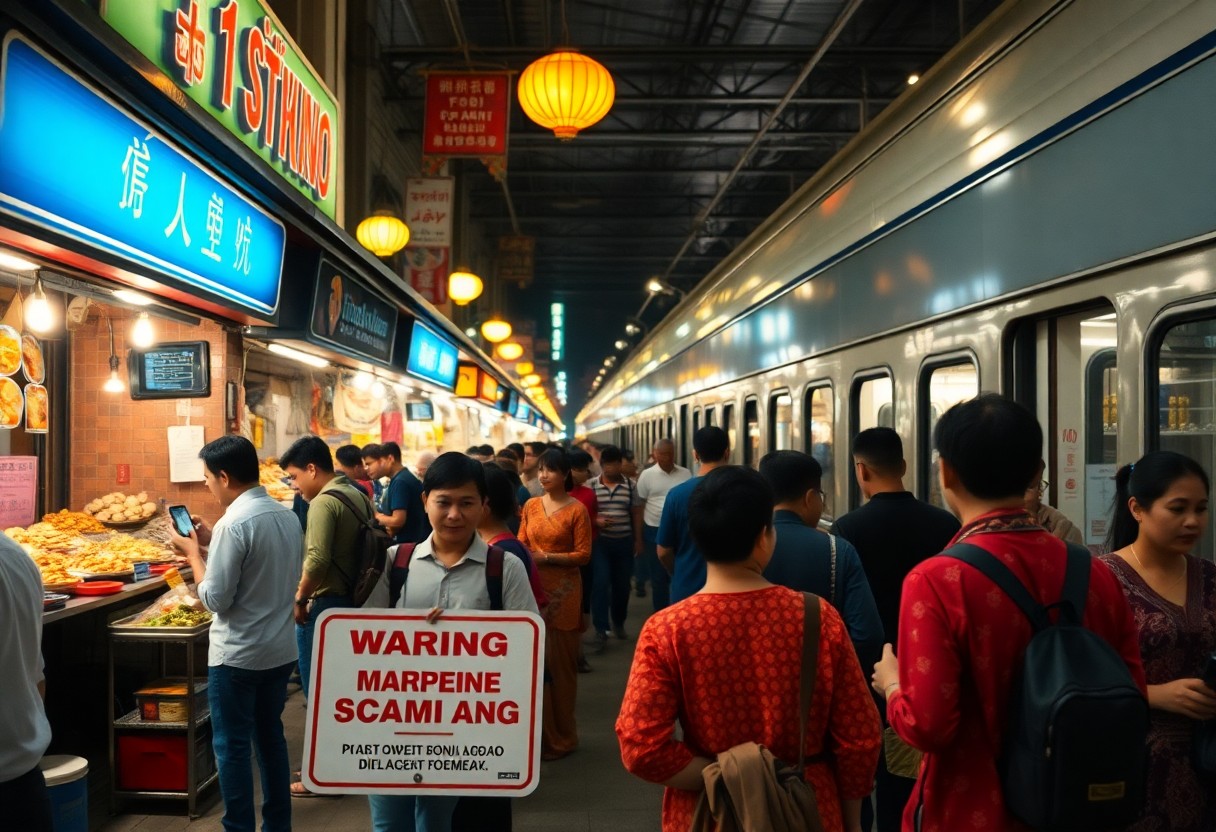
Being aware of local customs can enhance your experience while keeping you safe. In Hanoi, particularly on Train Street, locals may create misconceptions about access or safety to solicit money. Familiarize yourself with the etiquette and boundless hospitality of the Vietnamese people. Essential tips can be found in this WARNING! 5 Things To Avoid For Hanoi Train Street.
Interacting with Locals
Engaging with locals can provide valuable insights and create memorable experiences. Approach them with respect, and as you navigate Train Street, be cautious of those aiming to mislead you for financial gain. Always verify information with multiple sources.
Respecting the Environment
It’s necessary to respect the local environment while visiting areas like Train Street. Refrain from littering and ensure you dispose of waste properly. Engaging in sustainable tourism not only helps preserve the area but also reflects positively on you as a visitor.
Moreover, Train Street is known for its narrow lanes and picturesque surroundings. Maintain a clean space by minimizing your footprint. Dispose of trash responsibly and opt for reusable items, like water bottles, to reduce plastic waste. By adopting these practices, you’ll contribute to protecting the natural beauty of Hanoi while fostering a positive relationship with the community.
Essential Factors for a Safe Experience
To fully enjoy Train Street while avoiding any pitfalls, consider these vital factors:
- Research the area beforehand to understand its layout and the best times to visit.
- Interact with fellow travelers to gain insights about their experiences.
- Be cautious of locals claiming that the street is closed or requires a fee.
- Stick to well-known venues for refreshments and avoid street vendors.
Any lapse in vigilance could lead to an unpleasant experience.
Planning Your Visit
When planning your visit, aim to arrive early in the morning or later in the afternoon; this helps you avoid crowds and potential scams. Having a map or a reliable GPS app will ensure you navigate the area confidently. Often, the scene is most vibrant at these times, allowing you to capture fantastic photos while minimizing interaction with aggressive vendors.
Staying Alert
Staying alert is vital while exploring Train Street; the bustling atmosphere can be distracting. Pay attention to your surroundings, particularly to individuals who may approach you with seemingly helpful information that could lead to scams. Maintain a keen sense of awareness about any unusual behavior that can signal a setup.
It’s advisable to establish a comfort level with your surroundings quickly. Look for groups of travelers rather than venturing alone, as this can deter unwanted attention. If someone approaches you with a request for payment or guidance, calmly assert that you’re informed about the area. By engaging positively with your surroundings and remaining aware, you enhance your chances of enjoying a safe experience on Train Street.
Reporting Scams
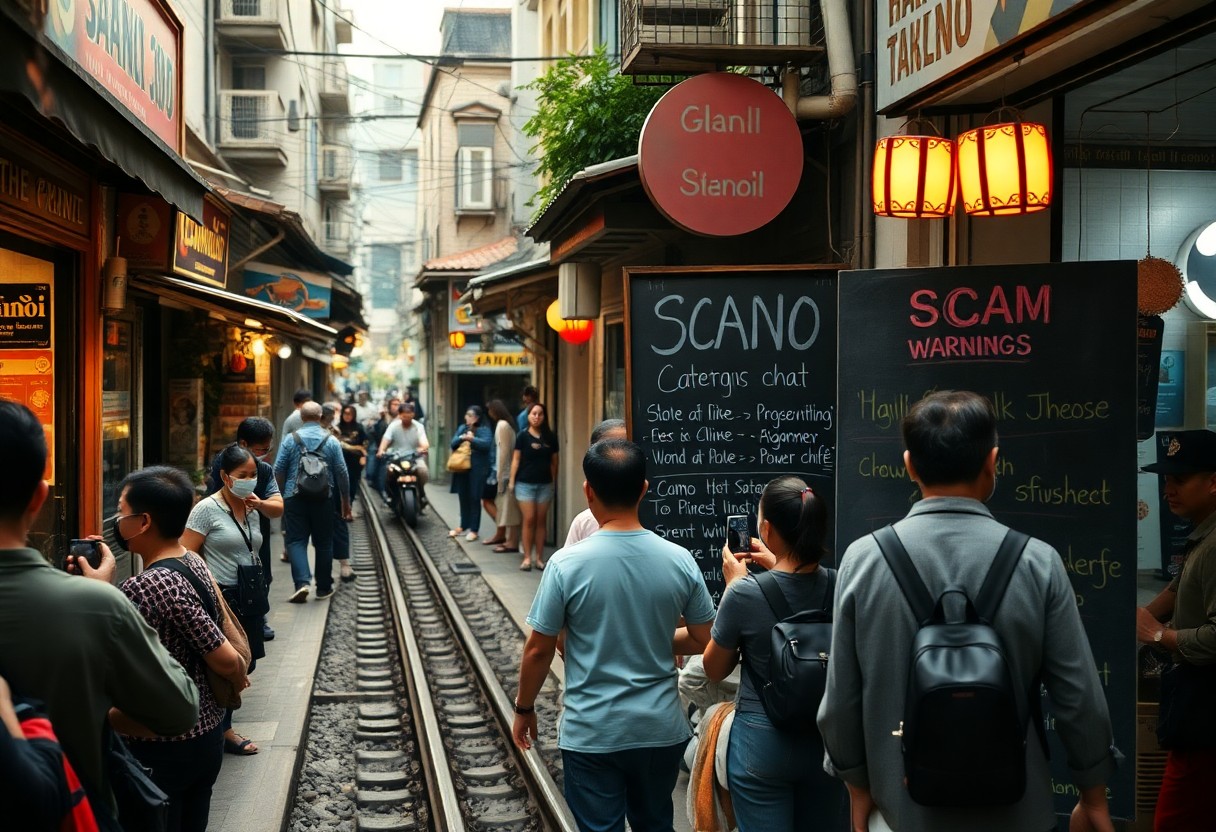
If you encounter a scam while visiting Hanoi’s Train Street, it’s imperative to report it. Sharing your experience helps others avoid similar pitfalls. You can connect with fellow travelers and gather advice on How to avoid scams when booking tours or services in Vietnam. Reporting these incidents not only alerts authorities but also provides valuable insights for future visitors.
Whom to Contact
For direct reporting, approach tourism offices or local police stations. They are typically well-informed about common scams and can offer assistance. If you’re in a group tour, inform your guide immediately, as they may have protocols to address the situation effectively.
Sharing Experiences
Communicating your encounters with scams can empower others. Platforms like social media or travel forums are excellent venues for disclosing your experiences. By sharing what occurred, you create a communal database of warnings that benefit fellow travelers.
When sharing experiences, detail the nature of the scam, your location, and how you handled it. Posts that include descriptions and photos can significantly enhance the awareness of others. Engaging with community followers and responding to inquiries can strengthen the travel network, building a safer experience for everyone involved in exploring Hanoi.
Summing up
Hence, when visiting Hanoi’s Train Street, you should stay vigilant to avoid scams that aim to exploit tourists. Be aware of locals who claim that access is restricted or that a fee is required for a view, as this is often untrue. Always seek out information from reputable sources and consider checking what are some ways to avoid getting scammed while …. With some caution and preparation, you can enjoy a safe and memorable experience on Train Street.
FAQ
Q: What are the common scams on Hanoi’s Train Street?
A: Common scams include locals falsely claiming that Train Street is closed or requires an entry fee. Some may offer guided tours that are not necessary and charge excessive prices for visibility of the railway.
Q: How can I confirm that Train Street is open for visitors?
A: Check recent travel blogs, forums, or social media for updates on Train Street’s status. Engaging with local expat communities can provide current information. Always approach locals with caution regarding their claims.
Q: What is the best way to visit Train Street without falling for scams?
A: Visit during the train schedules posted online and stick to public areas. Avoid engaging with individuals offering guided tours or insisting on fees. Capture your experience independently for authenticity.
Q: Are there any safety tips for visiting Train Street?
A: Stay aware of your surroundings, especially when trains approach. Keep belongings secure to prevent petty theft. Also, respect local space and follow regulations to ensure a smooth visit.
Q: What should I do if I encounter a scam while visiting Train Street?
A: Politely decline any offers or claims that seem suspicious. If you feel threatened, move to a crowded area and seek help from other travelers or local authorities. Report any suspected scams to ensure the safety of future visitors.

