
Where Can I Fly for Culture and History?
There’s a world of breathtaking destinations where you can immerse yourself in rich cultural heritage and captivating historical narratives. From the ancient ruins of Rome to the vibrant streets of Kyoto, each location offers unique insights into diverse cultures. You’ll find that these timeless cities are alive with stories, where every corner reveals a historical gem waiting to be explored. Whether you seek the past’s elegance or the thrill of discovery, your next adventure in culture and history is just a flight away.
Cultural Capitals of the World
Exploring the world’s cultural capitals unveils a rich tapestry of history and tradition. Destinations Rich in History and Culture offer you a glimpse into the past, allowing you to walk through the stories that have shaped societies. Whether experiencing art, architecture, or local customs, these cities are gateways to understanding global heritage.
Europe: The Cradle of Civilization
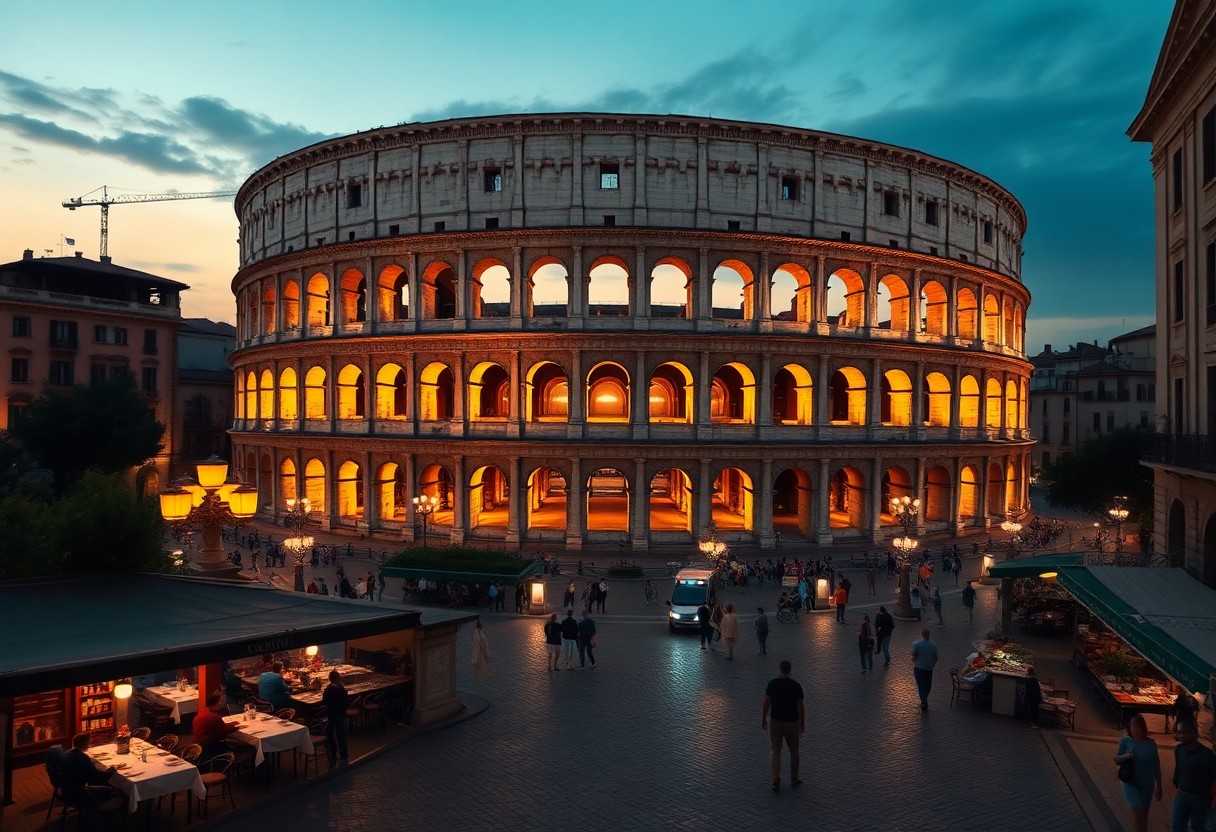
In Europe, cities like Rome, Athens, and Paris serve as living museums. The streets echo with the footsteps of philosophers, artists, and revolutionaries. Rome’s ancient ruins, Athens’ Acropolis, and Paris’ art galleries invite you to immerse yourself in iconic heritage. You can witness the evolution of democracy, art, and science that emerged from this storied continent, making it a prime destination for cultural enthusiasts.
Asia: A Tapestry of Traditions
Asia’s cultural landscape is a vibrant mosaic of traditions, religions, and languages. You encounter ancient temples in Chiang Mai, bustling markets in Delhi, and serene gardens in Kyoto, each reflecting diverse philosophies and artistry. This blend of the modern and the traditional showcases the continent’s rich heritage and offers a profound understanding of its influence on global culture.
The vastness of Asia presents incredible diversity. For instance, in the heart of China, the Great Wall stands as a testament to ancient engineering, while India’s festivals foster community and highlight cultural practices that span millennia. Explore the intricate carvings of Angkor Wat in Cambodia, or visit Islamabad’s museums for insights into Pakistani history. Each destination reveals unique narratives, allowing you to savor a tapestry woven with centuries of tradition, belief, and artistic expression.
Historical Destinations
Ancient Wonders: Journey to the Past
Exploring ancient wonders allows you to step into the stories of civilizations long gone. Places like Petra in Jordan, with its breathtaking rock-cut architecture, and the Pyramids of Giza in Egypt, towering monuments of ancient engineering, invite you to experience history firsthand. These sites are not just for sightseeing; they ignite your imagination, connecting you to the lives and cultures that once thrived there.
Modern History: Cities Shaped by Events
Cities like Berlin and Hiroshima offer profound insights into modern history, each shaped by impactful events that transformed them forever. Walking through Berlin’s Brandenburg Gate or visiting Hiroshima’s Peace Memorial Park, you encounter the echoes of the past. You gain a deeper understanding of resilience and rebirth, as both cities showcase their journeys from turmoil to renewal.
In Berlin, the remnants of the Berlin Wall remind you of the division that once defined lives and ideologies. The city’s vibrant culture now thrives in the shadow of its historical scars. Hiroshima stands as a testament to peace, with its memorials urging reflection on the consequences of conflict. Engaging with these cities means grasping the complexities of history, witnessing how they honor their past while paving the way for a hopeful future.

UNESCO World Heritage Sites
You can immerse yourself in the breathtaking significance of UNESCO World Heritage Sites, where history and culture converge in unique landscapes. These sites represent humanity’s richest cultural and historical treasures, preserved for future generations. The designation not only recognizes their outstanding value but also promotes conservation and awareness. Visiting these destinations allows you to connect deeply with the shared stories of our past.
Significance of UNESCO Listings
UNESCO listings highlight locations of exceptional cultural or natural importance, emphasizing the need for protection and preservation. These sites attract millions of visitors each year, fostering appreciation for diverse cultures and histories. Engaging with these areas enhances your understanding of global heritage, as each site encapsulates unique narratives that chronicle human achievement and the beauty of our planet.
Top Sites to Visit for Culture and History
Some of the most remarkable UNESCO World Heritage Sites include the Great Wall of China, Machu Picchu in Peru, and the historic center of Rome. Each of these sites transports you into a different era, showcasing architectural brilliance and rich traditions that span centuries. Whether you wander through ancient ruins or bustling marketplaces, you’ll discover the echo of past civilizations within these magnificent landscapes.
In addition to the Great Wall, Machu Picchu, and Rome, consider visiting the Pyramids of Giza in Egypt, the Acropolis in Greece, and the Alhambra in Spain. These sites not only highlight architectural and engineering wonders but also exemplify the cultural narratives that shaped their regions. You’ll find each location teeming with rich lore and historical significance, inviting you to explore diverse cultures that have influenced the world. From the detailed carvings of the Alhambra to the philosophical roots of the Acropolis, each site creates a unique experience filled with meaning and inspiration.
Local Experiences and Festivals
Immersing yourself in local experiences allows you to connect deeply with the culture of a destination. Each city offers unique opportunities from culinary classes to traditional craft workshops, where you can learn directly from artisans. Engaging with local communities enhances your understanding and appreciation of their heritage, transforming a mere visit into an enriching adventure.
Engaging with Local Traditions
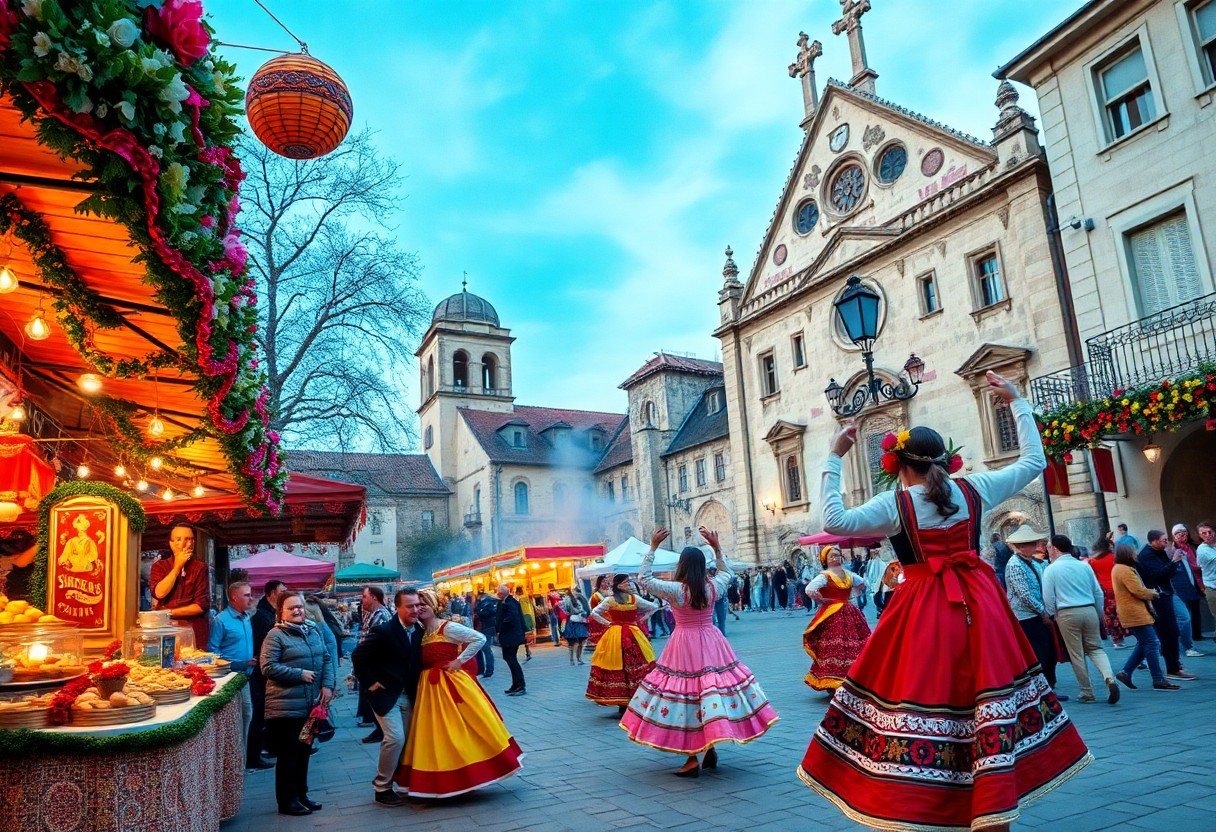
Engaging with local traditions provides a vivid insight into the daily lives and customs of the inhabitants. Participating in activities such as folk dancing, cooking classes, or storytelling sessions not only opens up a window to the past but also fosters meaningful connections with locals. This hands-on involvement lets you experience the heartbeat of the culture in ways that guidebooks cannot capture.
Celebrating Cultural Festivals
Cultural festivals are vibrant expressions of a community’s identity, bringing together traditions, arts, and celebrations. Whether it’s the colorful Carnival in Brazil or the mesmerizing Diwali in India, these events showcase local customs and practices, allowing you to witness history alive in real-time.
During festivals, cities transform into bustling centers filled with parades, music, and food that tell the story of a people’s heritage. For instance, the Inca Trail leading to Machu Picchu culminates in the Inti Raymi festival, celebrating the Sun God with thousands of participants and captivating performances. Engaging in such festivities offers a profound understanding of cultural values, spirituality, and community bonds, ensuring lasting memories and enriching your travel experience.
The Role of Museums and Galleries
Museums and galleries serve as vital custodians of culture and history, offering you a glimpse into the past and present through curated collections. These spaces are not only repositories of artifacts but also platforms for education and reflection, fostering a deeper understanding of human experiences and creativity. By walking through their halls, you engage with diverse narratives, uncovering layers of significance that shape your perspective on different cultures.
Must-Visit Museums Around the World
Across the globe, several museums stand out for their unique collections and immersive experiences. The Louvre in Paris houses thousands of works, including the enigmatic Mona Lisa, while the British Museum in London offers a journey through time with artifacts spanning millennia. In New York, the Metropolitan Museum of Art displays an extensive range of pieces that encapsulate various cultures, inviting you to discover the world through art.
The Impact of Art on Cultural Understanding
Art plays a transformative role in enhancing cultural understanding, bridging gaps between different communities. Through exhibitions and performances, you can experience emotions and ideas that transcend language and context. Whether it’s a contemporary installation addressing social issues or classical pieces reflecting historical contexts, art invites you to see the world through another’s lens.
Engaging with art encourages empathy and opens dialogues about cultural differences. For example, the Folk Art Museum in Santa Fe showcases indigenous craftsmanship, providing insights into the lives and beliefs of various tribes. Participating in art festivals, such as the Venice Biennale, allows you to experience a myriad of perspectives, fostering conversations that can lead to greater mutual respect and understanding. These interactions help dismantle stereotypes and promote appreciation of the rich tapestry of human creativity across cultures.
Conclusion
So, as you explore your options for immersing yourself in rich culture and history, consider destinations that resonate with your interests and passions. Cities like Rome, Istanbul, and Kyoto offer timeless experiences where every street tells a story. To get inspiration and advice tailored to your journey, check out community discussions on Where should I go next? Love rich cultural history, grand …. Your adventure awaits!
FAQ
Q: What are some of the best cities to visit for a rich cultural experience?
A: Cities like Rome, Athens, and Kyoto offer a wealth of cultural heritage, historical sites, and museums, each reflecting unique traditions and histories.
Q: How can I immerse myself in the history of a city?
A: Engage in guided tours, visit local museums, participate in workshops, and explore historical neighborhoods to gain deeper insights into the city’s past.
Q: Are there specific cultural festivals that celebrate history?
A: Yes, events such as the Venice Carnival, Dia de los Muertos in Mexico, and the Edinburgh Festival Fringe highlight cultural traditions and historical narratives of their respective regions.
Q: What types of historical sites can I expect to see when traveling for culture?
A: Expect to see landmarks such as ancient ruins, fortresses, palaces, museums, and UNESCO World Heritage sites that represent significant historical events and eras.
Q: How do local cuisines contribute to a city’s cultural and historical identity?
A: Local cuisines often reflect historical influences, regional ingredients, and traditional cooking methods, offering insight into a community’s customs and way of life.


