
Understanding Travel Risks in Vietnam – A Safety and Insurance Guide
Many travelers to Vietnam face unique challenges, including road accidents, heatstroke, and mosquito-borne diseases. This guide will help you identify and navigate these potential risks, ensuring you can enjoy your trip while staying safe. You’ll learn about effective precautions and the importance of travel insurance in protecting your health and finances throughout your journey. Equip yourself with the knowledge to make informed decisions as you explore the vibrant landscapes and rich culture of Vietnam.
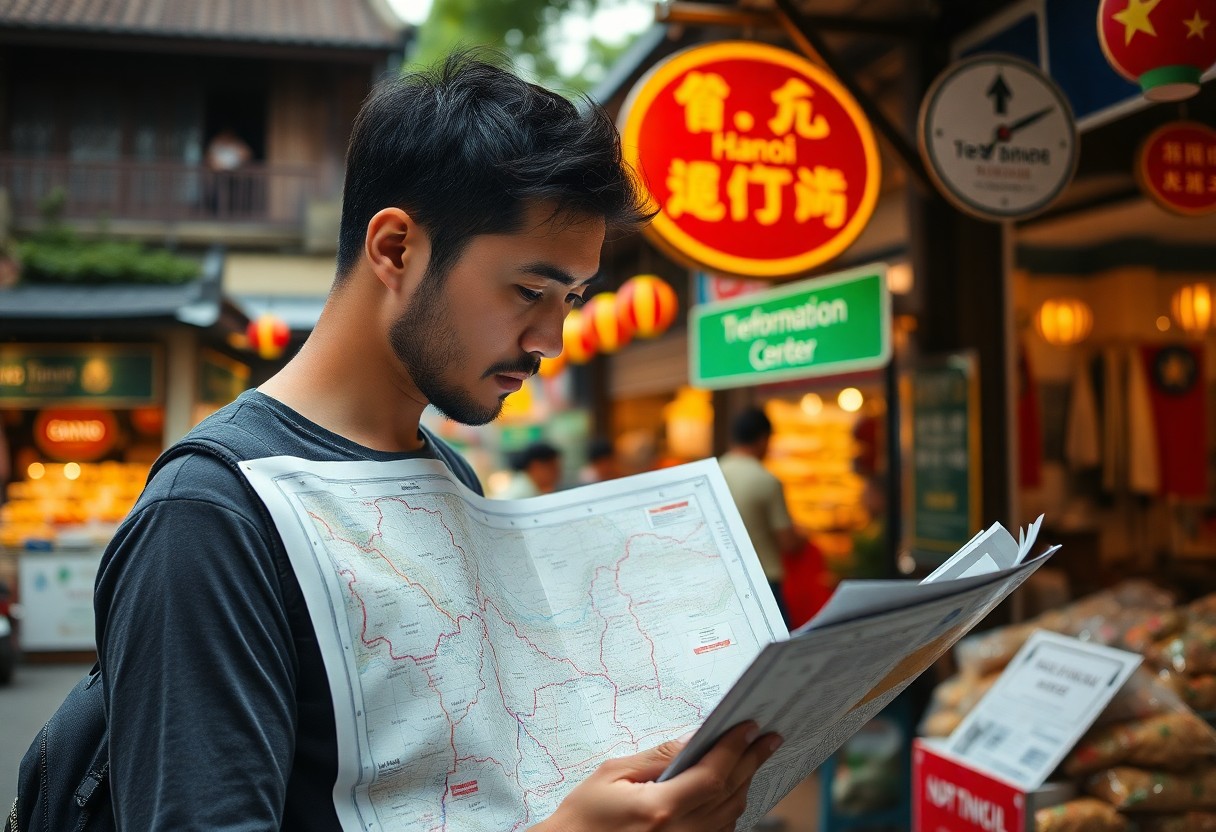
Understanding Common Travel Risks
Traveling in Vietnam presents specific risks that you should be aware of to ensure your safety. From road safety to environmental challenges, understanding these risks helps you prepare adequately for your trip. It’s advisable to consult Travel advice and advisories for Vietnam for the latest updates and strategies to mitigate potential hazards.
Road Accidents: How to Stay Safe on Vietnamese Roads
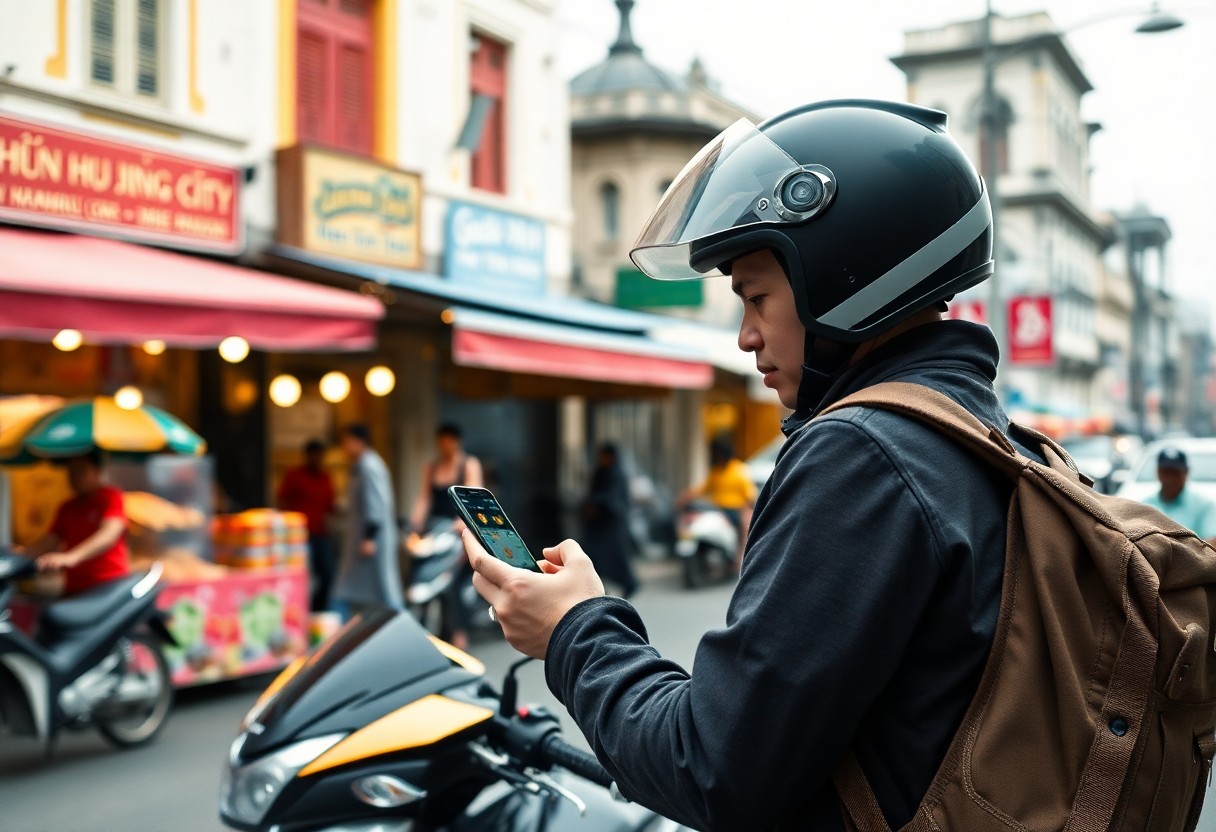
In Vietnam, road conditions can be challenging, with heavy traffic and a high number of motorcycles. To stay safe, always wear a helmet if you’re on a motorbike, practice defensive driving, and remain vigilant. Pedestrian crossings may not be respected, so ensure you look both ways before crossing. Consider using licensed taxis or rideshare services for longer distances.
Heatstroke: Tips to Prevent Heat-Related Illness
Heatstroke is a serious risk while traveling in Vietnam’s tropical climate. To prevent heat-related illnesses, drink plenty of water, wear lightweight clothing, and take regular breaks in shaded or air-conditioned areas. Avoid strenuous activities during peak sunlight hours, typically between 10 AM and 4 PM. If you experience symptoms like dizziness, nausea, or a rapid heartbeat, seek medical attention immediately.
- Stay hydrated by drinking fluids regularly.
- Wear appropriate clothing to minimize sun exposure.
- Limit outdoor activities during the hottest part of the day.
- Know the signs of heat-related illnesses to react promptly.
Understanding the signs of heatstroke is vital. Symptoms can escalate quickly, so be alert for confusion, headache, and flushed skin. You should seek a cool environment and hydrate at the first sign of distress. Initiating treatment promptly can prevent serious complications.
- Recognize the importance of early intervention.
- Cool down with drenched clothes or cold packs.
- Seek medical help if symptoms persist.
- Familiarize yourself with local emergency contacts.
Mitigating Health Risks
Health risks in Vietnam can pose serious challenges during your travels, but with the right precautions, you can protect yourself effectively. Engage in preventive measures such as vaccinations and maintaining personal hygiene. Stay informed about potential hazards and adapt to local conditions accordingly. Always carry a small medical kit for emergencies and be aware of nearby healthcare facilities. Your awareness and preparedness are key to enjoying a safe trip.
Mosquito-Borne Diseases: Prevention Strategies
Mosquito-borne diseases like dengue fever and malaria are prevalent in Vietnam, especially during the rainy season. To prevent these illnesses, wear long-sleeved clothing and use insect repellent containing DEET. Stay in accommodations with screens or air conditioning to reduce mosquito exposure. Additionally, consider taking malaria prophylaxis if traveling to high-risk areas, and be vigilant in ensuring standing water is avoided where mosquitoes breed.
Food and Water Safety: How to Avoid Illness
Food and water safety is necessary to prevent gastrointestinal illnesses while traveling in Vietnam. Stick to bottled or boiled water and ensure that food is well-cooked and served hot. Avoid street food from vendors with low hygiene standards, as it can harbor bacteria and parasites that may lead to food poisoning or other illnesses.
To further safeguard against food and waterborne illnesses, opt for restaurants that have a good turnover of customers, indicating fresh food preparation. Bring your own water purification tablets for extra assurance, and wash your hands regularly, especially before meals. When consuming fruits and vegetables, choose those that are peelable or opt for cooked varieties to minimize risk. Your vigilance will greatly enhance your food safety experience in Vietnam.
The Importance of Travel Insurance
Travel insurance is crucial for your trip to Vietnam as it protects against unforeseen circumstances like trip cancellations, medical emergencies, and lost belongings. The right policy can alleviate financial burdens caused by accidents or health issues, ensuring peace of mind during your travels. For insights on travel safety, check Is It Safe To Travel to Vietnam in 2025.
How to Choose the Right Policy
Selecting the right travel insurance policy involves assessing your specific needs and risks. Look for coverage that includes medical expenses, emergency evacuation, and trip interruption. Compare various providers to understand the benefits offered and their limitations, ensuring you choose a comprehensive plan that suits your itinerary.
Factors to Consider When Buying Travel Insurance
When purchasing travel insurance, consider the following factors to ensure adequate coverage:
- Medical Coverage: Ensure it covers hospital stays and emergency care.
- Trip Cancellation: Look for reimbursable expenses in case you need to cancel.
- Outdoors Activities: If you plan on adventurous activities, verify if they are covered.
This will help you identify the necessary protections that align with your travel plans.
Additionally, evaluate the coverage limits, exclusions, and customer service reputation of the insurer. Understanding the claims process beforehand can save you from difficulties later. Read reviews and seek recommendations to avoid pitfalls with unreliable providers.
- Coverage Limits: Check limits for medical and liability coverage.
- Policy Exclusions: Be aware of what is not covered.
- Claims Process: Research ease of filing a claim to expedite support in emergencies.
This extensive evaluation will ensure you are adequately covered for all potential scenarios during your trip to Vietnam.
Practical Travel Tips for Safety
Staying safe while traveling in Vietnam involves mindful practices. Here are crucial tips to enhance your security:
- Always use reputable transportation options.
- Stay aware of your surroundings, especially in crowded areas.
- Carry backup copies of important documents.
- Stay hydrated to avoid heatstroke.
- Utilize travel insurance for emergency support.
Knowing these strategies can significantly bolster your peace of mind during your trip.
Keeping Your Belongings Secure
Securing your belongings is vital to avoid theft when exploring Vietnam. Utilize a money belt for valuables and a lock for your luggage. Avoid displaying expensive items in public and stay alert in markets or crowded locations where pickpocketing is common. Additionally, consider using hotel safes for storing important items when not in use. Knowing how to protect your possessions will enhance your travel experience.
Navigating Emergency Services in Vietnam
In case of an emergency, understanding the local services will be beneficial. The local police can be reached by dialing 113, while the fire department can be contacted at 114. For medical emergencies, calling 115 will connect you with ambulance services. It’s crucial to memorize these numbers or keep them accessible. Knowing this can save you valuable time and ensure timely assistance when needed.
Vietnam has various hospitals and clinics, yet quality may vary. Major cities like Ho Chi Minh City and Hanoi have private hospitals that can offer competent care. For serious conditions or emergencies, be aware that some facilities may require upfront payment or insurance verification before treatment. It’s wise to familiarize yourself with the nearest hospitals and have your travel insurance information readily available. Knowing this crucial information will help you navigate any medical situations effectively.
Travel Safety Resources
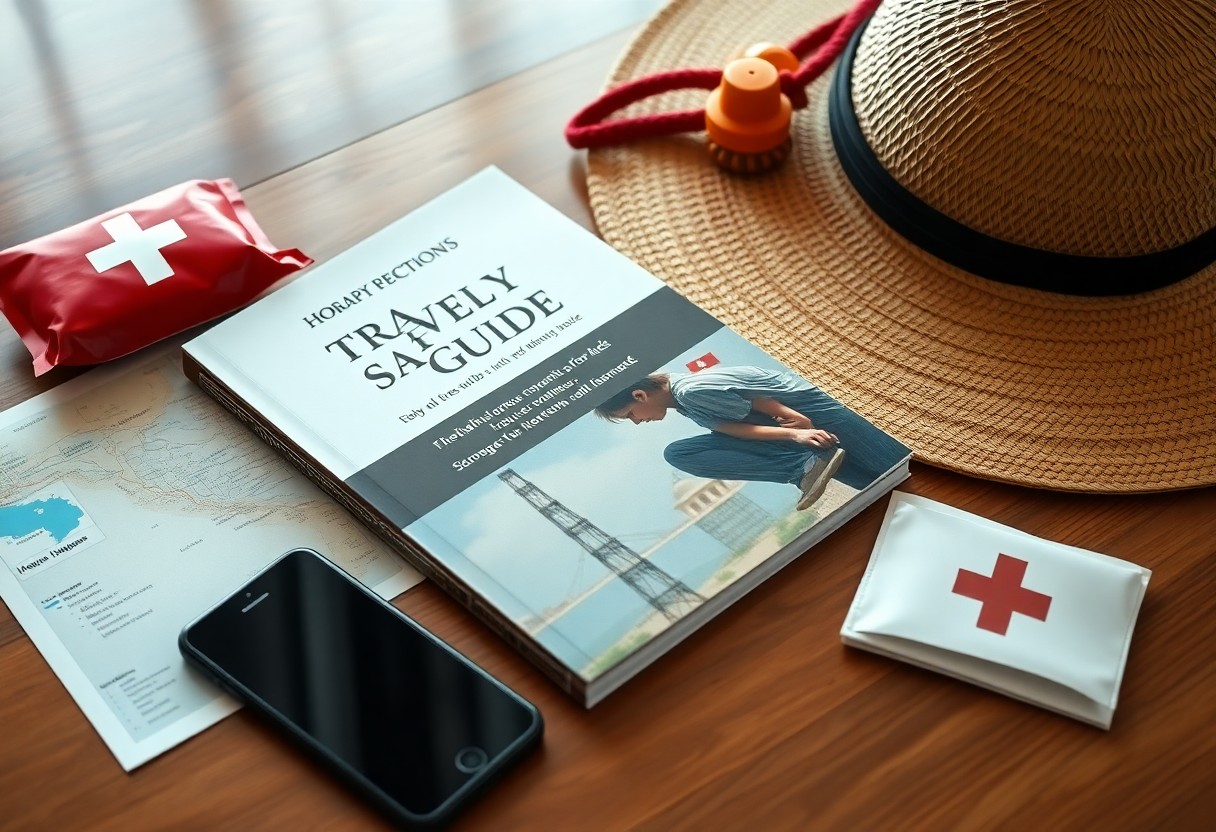
Accessing reliable travel safety resources can significantly enhance your experience in Vietnam. These tools provide imperative information and support in navigating potential risks, from health advisories to local regulations. Being informed about cultural practices and emergency protocols can help you avoid dangerous situations and ensure a safer travel experience.
Useful Apps and Websites
Utilize apps like Grab for safe transportation, Couchsurfing for local insights, and Google Maps for navigation. Websites such as TripAdvisor can guide you to reputable accommodations and attractions, while local forums may provide real-time advice on safety and health concerns. Download these resources before your trip to stay connected and informed.
Local Emergency Contacts
In case of emergencies, knowing local contact numbers is vital. Save the numbers for local police, fire, and medical services: the general emergency number is 113 for police, 114 for fire, and 115 for ambulance services. Ensure you have your embassy contact information as well for support in pressing situations.
Local emergency contacts encompass more than just phone numbers. Familiarize yourself with the locations of nearby hospitals or clinics, and consider how to reach them in case of urgent health issues, such as heatstroke or ailments from mosquito-borne diseases. Having a language translation app can be beneficial when communicating with medical staff or local authorities. Always keep emergency contact details handy in your phone or wallet for quick access during your travels in Vietnam.
Cultural Factors Influencing Safety
Cultural norms and social practices in Vietnam significantly influence your travel safety. Respecting local customs helps avoid misunderstandings that may lead to uncomfortable situations. Key points to consider include the importance of personal space, appropriate dressing codes, and the significance of politeness in communication. Always be mindful of local traditions to ensure a harmonious travel experience. Any Vietnam Travel Tips and Recommendations can help you navigate these cultural landscapes effectively.
Understanding Local Customs
Vietnamese culture emphasizes respect and family values, which can impact your interactions. Greeting elders with a bow, using both hands when giving or receiving items, and maintaining a polite demeanor are necessary. Familiarizing yourself with these practices enhances your experience and overall safety as it fosters mutual respect with locals.
Language Tips for Better Communication
While English is spoken in tourist areas, knowing basic Vietnamese phrases can significantly enhance your interactions. Simple greetings and polite expressions show respect and often result in warmer responses from locals. Carrying a phrasebook or using translation apps can be invaluable. Any language skills you acquire will improve your travel experience.
Additionally, using simple phrases like “Xin chào” (hello) or “Cảm ơn” (thank you) can break the ice and build rapport. Locals appreciate your effort, even if your pronunciation isn’t perfect. You might also consider learning numbers to navigate prices and directions more confidently. Any linguistic effort demonstrates respect and can mitigate potential misunderstandings.
To wrap up
With this in mind, understanding travel risks in Vietnam empowers you to take proactive measures for your safety. By being aware of potential challenges like road accidents, heatstroke, and mosquito-borne diseases, you can better prepare and mitigate these threats. Your diligence in following safety tips and securing comprehensive travel insurance ensures a smoother experience, allowing you to enjoy the rich culture and stunning landscapes of Vietnam confidently.
FAQ
Q: What are the common travel risks in Vietnam?
A: Common risks include road accidents due to chaotic traffic, heat-related illnesses from high temperatures, and mosquito-borne diseases like dengue fever and malaria.
Q: How can I stay safe while traveling in Vietnam?
A: To stay safe, use reputable transportation, stay hydrated, wear sunscreen, and avoid areas with stagnant water to reduce the risk of mosquito bites.
Q: What should I know about travel insurance for Vietnam?
A: Travel insurance should cover medical emergencies, trip cancellations, and accidents. Ensure it includes coverage for activities you plan to undertake.
Q: Is it safe to ride a motorbike in Vietnam?
A: While popular, riding a motorbike can be dangerous due to heavy traffic and road conditions. Always wear a helmet and consider alternative transport options.
Q: What precautions should I take to prevent heatstroke in Vietnam?
A: To prevent heatstroke, avoid outdoor activities during peak sunlight hours, wear lightweight clothing, and take regular breaks in shaded or air-conditioned areas.