
Why You Absolutely Need Travel Insurance for a Trip to the United States
With sky-high healthcare costs in the United States, securing travel insurance is necessary to protect yourself from potential financial disasters. You could face exorbitant medical bills if an emergency arises, and without coverage, your trip may quickly become unmanageable. Travel insurance also safeguards against trip cancellations and lost luggage, ensuring that unexpected events won’t derail your plans. Investing in travel insurance not only provides peace of mind but also shields your wallet from the unforeseen challenges that can arise during your travels.
The High Cost of Healthcare in the US
Healthcare costs in the United States can be staggering, making travel insurance an vital aspect of your trip planning. You might find yourself facing bills that quickly escalate into thousands of dollars for even minor medical issues. For a clearer understanding of why travel insurance is necessary, check out 7 Reasons to Buy Travel Insurance.
Overview of Medical Expenses
In the US, a simple visit to the emergency room can easily run into the thousands. For instance, a broken leg typically costs over $7,500 to treat, excluding follow-up therapy and medications. Even a short hospitalization can result in bills exceeding $10,000, while surgeries can reach upwards of $50,000. This financial burden highlights the importance of securing travel insurance to mitigate these unexpected expenses.
Case Studies of Unexpected Medical Bills
Real-life examples illustrate the financial risks of traveling without insurance. Travelers have found themselves in situations with exorbitant medical costs that not only led to financial stress but also impacted their entire trip:
- A tourist fell ill during their vacation, resulting in a $23,000 hospital bill for a week-long stay.
- An uncontrollable allergic reaction led to a $12,000 emergency treatment cost in an urgent care facility.
- One traveler faced $17,000 in charges for a minor surgery that couldn’t wait until they returned home.
- An accident completely shattered a traveler’s leg, resulting in a $60,000 surgery and rehabilitation expenses.
Understanding these financial implications can significantly impact your travel experience. Many travelers presume that health issues won’t arise, but the reality is that the unexpected can be costly and stressful. Investing in travel insurance not only protects you from exorbitant bills but also ensures peace of mind during your trip, allowing you to focus more on enjoying your travels.

The Risks of Traveling Without Insurance
Traveling without insurance exposes you to significant financial risks, especially in a country like the United States, where medical costs can skyrocket. A sudden injury or illness can lead to bills reaching thousands, even tens of thousands, of dollars. The harsh reality is that medical emergencies can strike anytime, and without coverage, you may be forced to foot the entire bill. For deeper insights, check out Is Travel Insurance Worth It in 2025? Yes, In These 3 Cases.
Medical Emergencies
In the event of a medical emergency, you could face exorbitant expenses; for instance, a simple ambulance ride can cost over $1,000, and treatment for a fracture or serious condition can easily exceed $10,000. Without travel insurance, you’re solely responsible for these costs, which could lead to overwhelming debt.
Trip Cancellations and Interruption
Your travel plans can be disrupted by unforeseen events such as family emergencies, natural disasters, or illness. If you need to cancel or cut short your trip, the financial losses can be substantial, including non-refundable flights and hotel reservations. Travel insurance often covers these situations, reimbursing you for the expenses incurred.
For example, if an unexpected situation forces you to cancel a $2,000 trip, you might lose that entire amount without insurance. Policies typically cover various scenarios, ensuring that your investments are protected. Thus, having travel insurance is not just optional; it’s a wise choice that mitigates the risk of significant financial loss due to trip cancellations. Always verify the specific coverage options to ensure your needs are met.
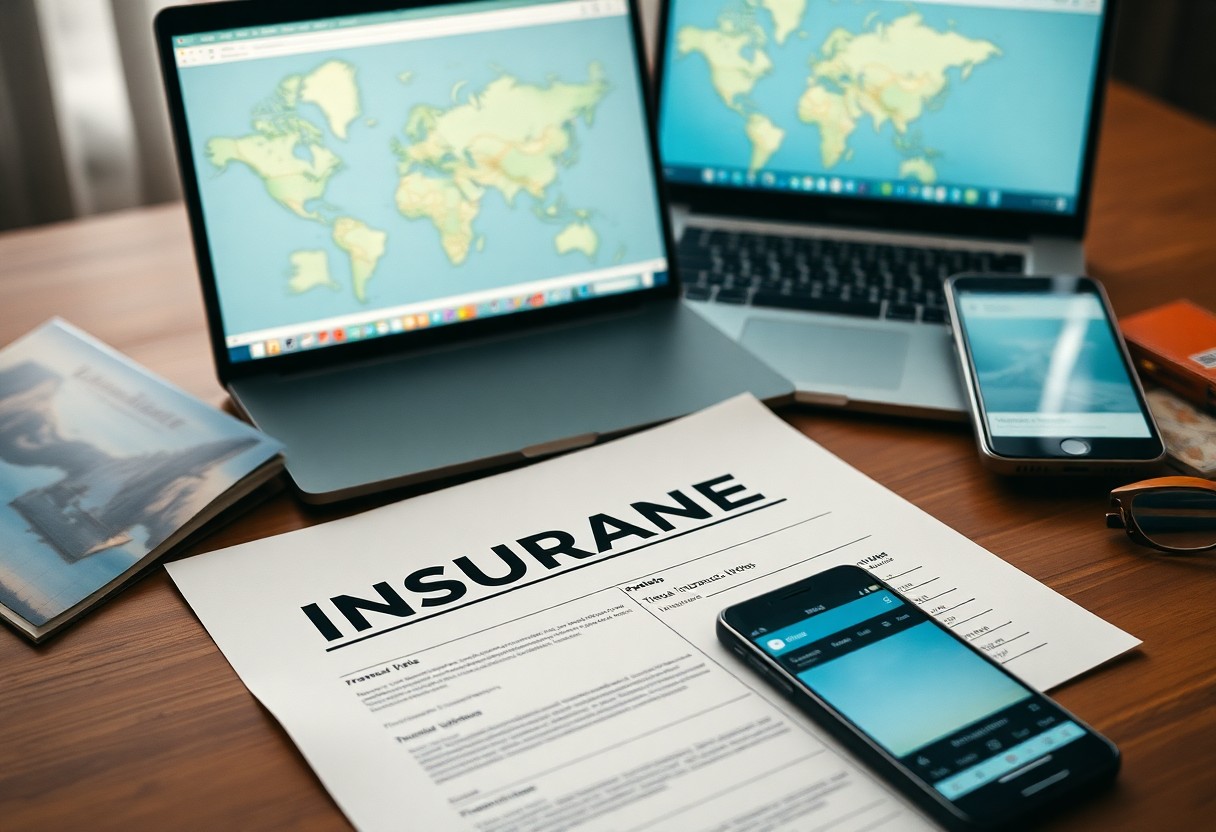
Understanding Travel Insurance Policies
Travel insurance policies can vary significantly, so understanding their components is imperative. These policies are designed to provide coverage for unpredictable events that may arise during your trip. From medical emergencies to trip cancellations, knowing the specifics of your policy allows you to make informed decisions. Be sure to review coverage limits and exclusions to avoid unexpected expenses while traveling.
Types of Coverage Available
Several types of travel insurance coverage protect you during your trip to the U.S:
- Trip Cancellation: Covers non-refundable expenses if you cancel your trip.
- Medical Coverage: Helps cover medical expenses resulting from injuries or illnesses.
- Evacuation Insurance: Assists in emergency medical evacuation to a hospital.
- Lost Luggage Coverage: Reimburses you for lost or stolen baggage.
- Accidental Death and Dismemberment: Provides benefits for serious injuries or death.
Recognizing the importance of these coverage types is integral to ensuring peace of mind while traveling.
| Coverage Type | Description |
| Trip Cancellation | Compensates for non-refundable expenses when your trip is cancelled. |
| Medical Coverage | Covers medical expenses for illnesses or injuries during your trip. |
| Evacuation Insurance | Covers costs associated with emergency transport to medical facilities. |
| Lost Luggage Coverage | Financial reimbursement for lost or stolen baggage and belongings. |
| Accidental Death and Dismemberment | Benefits for serious injuries or death incurred during travel. |
Key Terms and Conditions to Know
Understanding key terms and conditions in your travel insurance policy is vital. Definitions like “pre-existing conditions” can significantly impact your coverage. Each policy may have specific exclusions and limitations, influencing what is covered. Familiarize yourself with these terms to avoid confusion when a claim is necessary.
For instance, many policies include the term “pre-existing conditions,” which typically refers to any medical issues you had before purchasing insurance. These conditions may not be covered unless you acquire a waiver. Additionally, pay attention to “deductibles” and “coverage limits,” as they define how much you will pay out-of-pocket before insurance coverage kicks in and the maximum amount your policy will pay. Understanding these terms ensures you have realistic expectations when navigating potential claims during your trip.

Why Travel Insurance is Essential for Foreign Visitors
Traveling to the United States can expose you to unexpected risks, making travel insurance a necessity. Without this coverage, you are vulnerable to significant financial loss that could arise from medical emergencies, trip cancellations, or lost belongings. Securing a policy tailored for foreign visitors ensures that you are protected against high healthcare costs and unforeseen circumstances that could derail your trip.
Differences in Healthcare Systems
The U.S. healthcare system is notoriously expensive, and as a foreign visitor, you may find yourself facing substantial medical bills. For instance, just a simple emergency room visit can cost upwards of $2,000, and various procedures can run into tens of thousands. Without travel insurance, you could be responsible for covering these costs out-of-pocket.
Protecting Against Financial Ruin
Travel insurance serves as a financial safety net, shielding you from overwhelming expenses that can arise during your trip. If you experience a medical emergency, cancellation, or loss of luggage, having insurance means you won’t be left in a financially precarious position. Insurance can cover trip interruption costs or even hospital stays, which can save you thousands of dollars.
For example, consider a visitor who suffers a serious accident while hiking and requires hospitalization. Without insurance, the emergency services might cost thousands, and ongoing treatment could skyrocket your expenses, leading to potential financial disaster. In contrast, a travel insurance policy can mitigate these costs, providing coverage for hospital bills, evacuation expenses, and even repatriation. This financial protection allows you to enjoy your trip without the constant worry of how a sudden medical emergency might impact your financial future.
Choosing the Right Travel Insurance Plan
Finding the right travel insurance plan involves understanding your specific needs and preferences. Look for a policy that covers necessary aspects such as emergency medical expenses, trip cancellations, and lost luggage. Ensure the coverage limits align with your destination and travel itinerary, as policies vary widely in scope and price. The goal is to secure a plan that offers comprehensive protection tailored to your trip.
Factors to Consider
When choosing a travel insurance plan, consider various factors to ensure you get the best coverage for your needs. Key aspects include:
- Coverage limits for medical expenses
- Trip cancellation policies based on your itinerary
- Emergency assistance services availability
- Exclusions for pre-existing conditions
Recognizing the importance of these factors will help you avoid pitfalls and choose a plan that protects your financial interests.
Comparing Policies
Comparing travel insurance policies can seem daunting, but it’s necessary to evaluate your options based on key features and costs. Consider creating a side-by-side comparison of various policies using the following criteria:
| Criteria | Description |
|---|---|
| Coverage Amount | Maximum payout for medical expenses, cancellations, and lost items. |
| Policy Exclusions | Specific circumstances or conditions that might void your coverage. |
| Premium Cost | The price you pay for the insurance coverage. |
| Deductibles | Out-of-pocket expenses before insurance kicks in. |
To make an informed decision, examine deeper into the details of each policy to understand the nuances. Pay attention to factors such as customer reviews and claim processing times. Use a detailed comparison table to simplify your analysis and identify the best travel insurance that fits your travel plans and budget.
| Detail | Importance |
|---|---|
| Pre-existing Condition Coverage | Critical for those with ongoing health issues. |
| Emergency Evacuation | A key factor in high-risk areas or activities. |
| 24/7 Assistance Services | Provides peace of mind during emergencies. |
| Accidental Death & Dismemberment | Offers additional peace of mind for travelers. |
How to File a Claim
Filing a claim for your travel insurance involves a few straightforward steps. Start by contacting your insurance provider as soon as an incident occurs, whether it’s a medical emergency or a loss of property. Document everything, including receipts, photos, and police reports if applicable. You can find detailed guidance and resources on Why Get Travel Insurance? to ensure you cover all necessary aspects when submitting your claim.
Steps to Take After an Incident
After an incident, promptly report it to your insurance company and gather relevant documentation such as bills, medical reports, or incident reports. Ensure you keep copies of all communications and never delay your claim submission, as most policies have deadlines for reporting incidents.
Common Pitfalls to Avoid
You should avoid several common pitfalls when filing a claim. Failing to read your policy carefully can lead to misunderstandings about coverage. Additionally, not providing enough documentation or submitting claims late can result in denials. Always ensure that your claims are as detailed and timely as possible.
Many travelers mistakenly think their claims will be processed quickly without sufficient proof. Neglecting to save important documents or records related to the incident can severely weaken your claim. It’s important to be thorough and detailed from the outset, particularly because insurance providers often require extensive evidence. Always double-check your policy limits and exclusions, as overlooking these details can lead to unexpected surprises when filing your claim.
Conclusion
To wrap up, securing travel insurance for your trip to the United States is important for protecting your finances against unexpected medical emergencies, trip cancellations, or lost luggage. The high costs of healthcare can put you in a vulnerable position, leading to significant expenses if an emergency arises. With the right travel insurance, you can ensure peace of mind, allowing you to enjoy your travels without the constant worry of potential financial burdens. Safeguard your adventure and invest in travel insurance before you launch on your journey.
FAQ
Q: Why is travel insurance necessary for healthcare expenses in the US?
A: Healthcare costs in the United States can be exorbitantly high. A simple visit to an emergency room can run into thousands of dollars, and not having travel insurance could lead to significant out-of-pocket expenses. Travel insurance provides financial protection against these unexpected medical costs, ensuring you can receive necessary care without bearing an overwhelming financial burden.
Q: What types of travel insurance coverage should I consider for a trip to the US?
A: It is advisable to consider comprehensive travel insurance that includes medical coverage, trip cancellation benefits, and protection for lost or delayed luggage. Medical coverage is vital for healthcare costs, trip cancellation can protect your investment if plans change, and luggage coverage provides assistance if your belongings are lost or delayed.
Q: How does travel insurance help with trip cancellations?
A: If unforeseen circumstances such as illness, a family emergency, or natural disasters arise, travel insurance can reimburse you for non-refundable expenses. This can include flight tickets, hotel reservations, and activity bookings, safeguarding your investment in the trip against unexpected changes.
Q: What happens if my luggage gets lost or delayed while in the US?
A: Travel insurance can cover the costs associated with delayed or lost luggage, such as purchasing necessary items while waiting for your belongings. This coverage minimizes the impact of lost luggage on your travel experience, allowing you to enjoy your trip without inconvenience.
Q: Can I purchase travel insurance once I’m already in the US?
A: While it is possible to buy travel insurance after arriving in the US, it’s highly recommended to secure a policy before your trip begins. Early purchase ensures coverage for medical emergencies and trip cancellations that could occur before your departure, providing peace of mind throughout your travel experience.

